


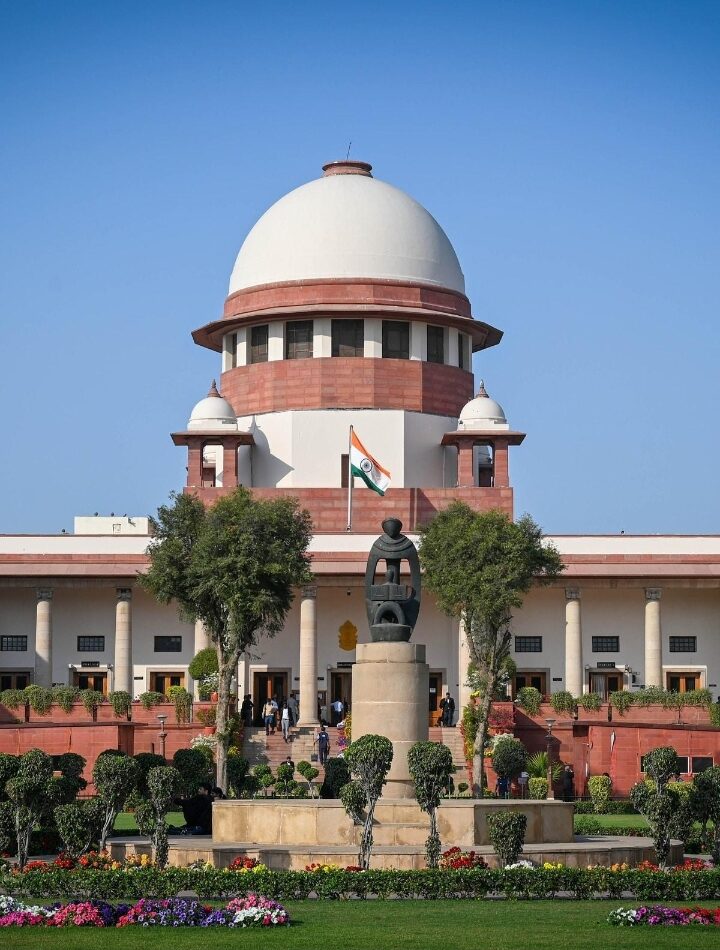
Anjali Mishra, Bhopal: New Delhi, September 23, 2026: The Supreme Court has raised serious questions over the wide difference between the price at which certain essential medicines are supplied to retailers and the Maximum Retail Price (MRP) printed on their packaging. During a hearing on drug pricing, the court focused on an example in which an essential cancer medicine was reportedly supplied to retailers for ₹2,700, while its printed MRP was ₹27,000—a ten-fold difference.
Court Questions Authorities Over Price Difference
A bench comprising Justices Vikram Nath and Sandeep Mehta questioned how such a large gap could exist for life-saving medicines. Justice Mehta used strong language while expressing concern over the impact of such pricing on patients and asked why the authorities responsible for regulating medicine prices had not taken effective action.
Impact of High Medicine Prices Differences
The court also examined the implications of high medicine prices under government-funded healthcare schemes. It observed that when hospitals purchase medicines at high prices and subsequently receive reimbursement under schemes such as Ayushman Bharat, the financial burden can ultimately fall on taxpayers. MRPs.
Durg Price Control Framework Under Scrutiny
The government, reesented by Additional Solicitor General K. M. Nataraj, told the court that affordable access to medicines is being addressed through mechanisms including Jan Aushadhi Kendras and indicated that the government would place its submissions before the court.
Representatives of pharmaceutical manufacturers also appeared during the proceedings. According to reports, they argued that retailers, rather than manufacturers, could be earning significant profits from some price differences.
Government Highlights Jan Aushadhi Initiative
The case is scheduled for further hearing on September 29, 2026, when the court is expected to consider proposals and submissions concerning medicine-price regulation.
The proceedings have brought renewed attention to the affordability of cancer treatment in India and to questions surrounding transparency, price regulation and the financial burden faced by patients requiring essential medicines.