


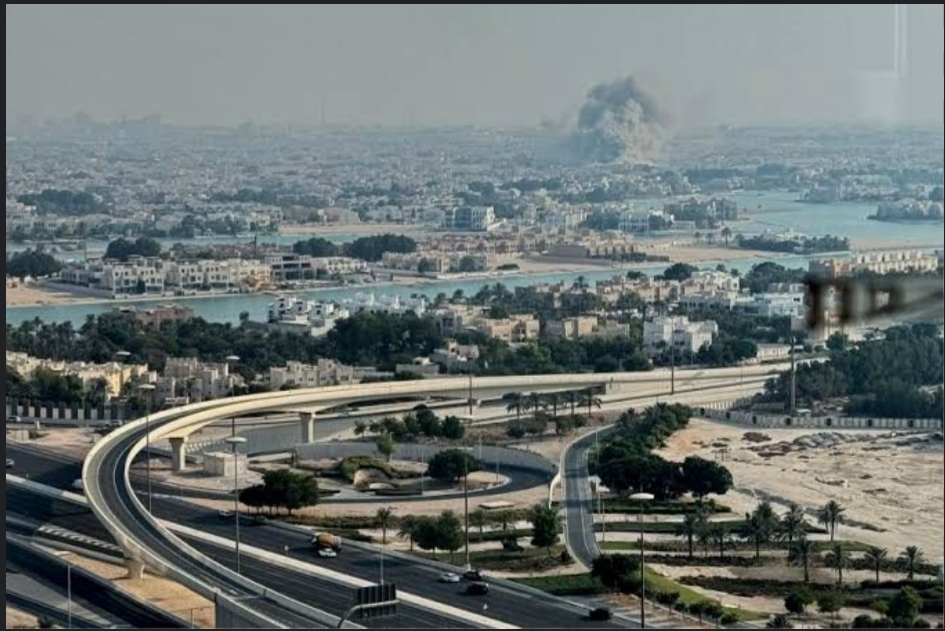
Israel carried out a precision airstrike in Doha, Qatar, on September 9, 2025, targeting key Hamas officials amid ongoing peace negotiations. The attack killed five individuals, including the son of senior Hamas leader Khalil al-Hayya, and prompted widespread international condemnation.
Shockwaves in Peace Diplomacy
The strike unfolded during crucial deliberations over a U.S.-backed ceasefire proposal in the Gaza conflict. The attack not only endangered the fragile diplomatic process but led to Qatar reassessing its mediation role.
Turkey sharply condemned the intervention, labeling it a violation of international law and an affront to Qatari sovereignty, while accusing Israel of deliberately undermining peace efforts. Reuters The U.K. echoed these sentiments, with Prime Minister Keir Starmer calling the strike a threat to regional stability and emphasizing the urgent need for a ceasefire and humanitarian aid.
U.S. Unease and Diplomatic Fallout
Though the U.S. had advance warning, its leaders expressed regret over the incident. President Trump, informed earlier by his administration, directed aides to notify Qatari authorities prior to the strike. He later described the attack as “unfortunate” and stressed that such actions against a key U.S. ally were not in line with strategic interests.
Even so, his public messaging diverged, as he emphasized that attacks on sovereign allies do not advance American or Israeli goals.
A Message to the Region—and Domestic Messaging
Following the operation, Israel’s Speaker of the Knesset, Amir Ohana, framed the strike as a “message to the entire Middle East,” signaling Israel’s willingness to conduct cross-border military actions when warranted. Defense Minister Israel Katz also asserted that Israel would continue to strike adversaries “everywhere,” underscoring a posture of assertive deterrence.
Regional Repercussions and Tactical Implications
This strike marks a significant escalation—one expert called it “extraordinarily unique,” highlighting its potential to reshape regional security calculations. It represents a rare military extension into Gulf territory, raising alarms about the boundaries of the conflict. By targeting Hamas leadership during delicate peace talks, it risks delaying or derailing meaningful negotiations, including those tied to hostage exchanges.
A Turning Point with Global Reverberations
Israel’s airstrike in Doha reflects both a tactical move against perceived threats and a diplomatic misstep with far-reaching implications. While it may disrupt the adversary’s operational circles, it also strains relationships with key mediators, fuels regional instability, and could jeopardize efforts to end the long-running Gaza conflict. As rhetoric heats up and diplomacy falters, the path toward peace now faces a steeper climb.