


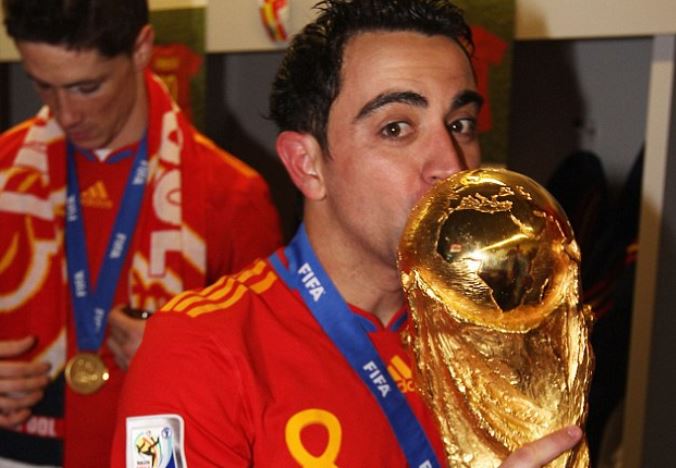
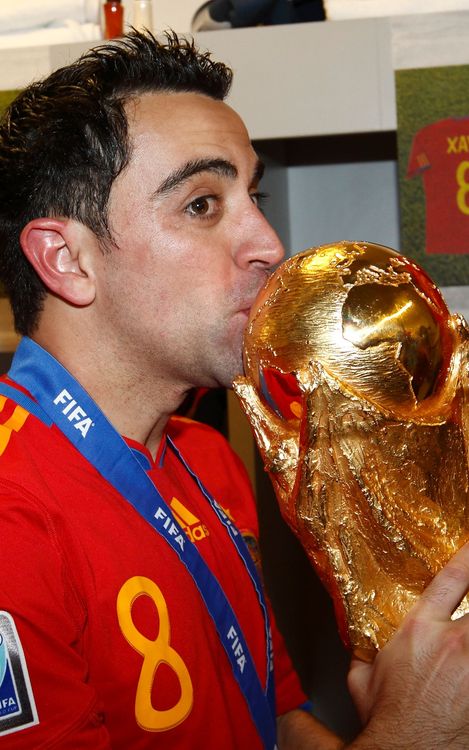
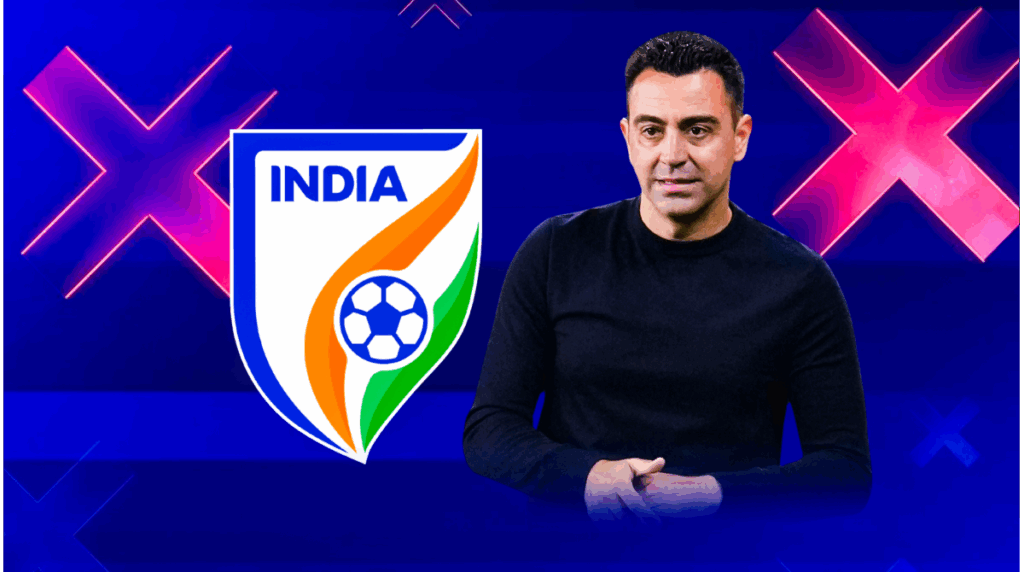
By Atharva Desai, Independent Columnist: In a development that could have reshaped the future of Indian football, Spanish legend Xavi Hernández reportedly applied for the position of head coach of the Indian national team.
The news alone sparked excitement across football circles. However, before the idea could gain traction, it was dismissed. The All India Football Federation (AIFF) declined to consider his application, citing financial constraints as the primary reason.
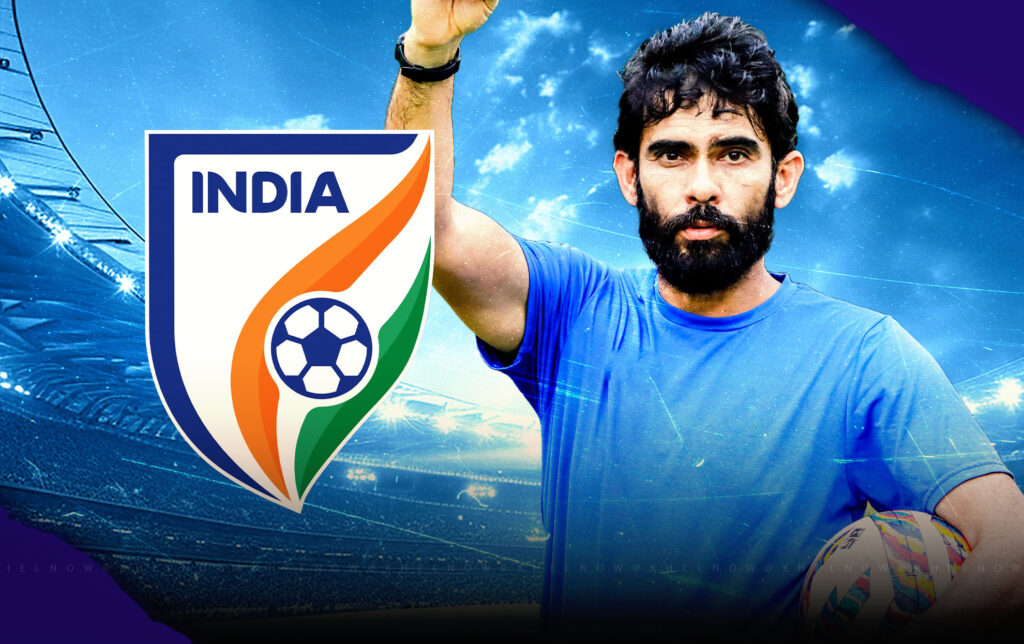
The federation is still in the process of appointing a new coach following Manolo Marquez’s departure. The technical committee has shortlisted three candidates for final review: Khalid Jamil, Stephen Constantine, and Stefan Tarkovic. While these individuals bring experience and familiarity with Indian or Asian football, none match the stature and global pedigree that Xavi would have brought to the role.
This was not just another name on an applicant list. It was a rare opportunity to attract a footballing mind who has shaped the modern game.
A Player Who Defined an Era
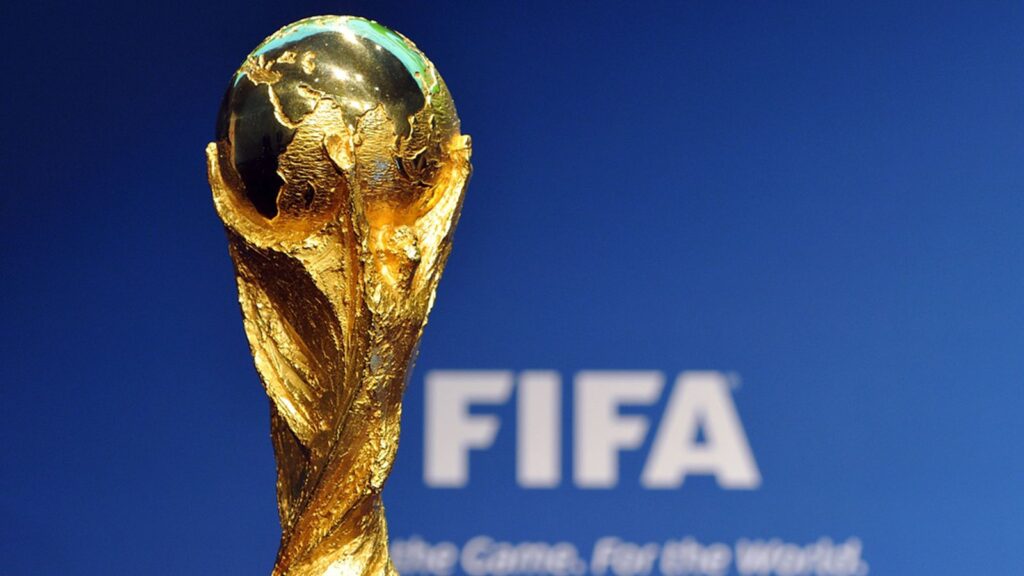
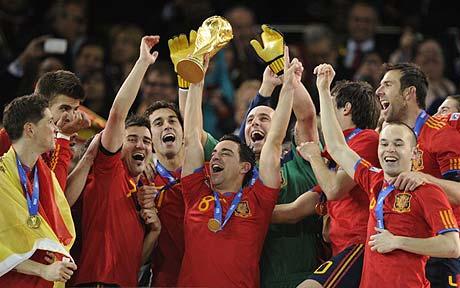
Xavi Hernández is more than a former footballer; he is widely regarded as one of the greatest midfielders of all time. As a player, he was the architect of both FC Barcelona and Spain during their most dominant periods. His accolades include a FIFA World Cup title, two European Championships, four UEFA Champions League trophies, and eight La Liga titles. He earned over 130 caps for Spain and played more than 750 matches for Barcelona.
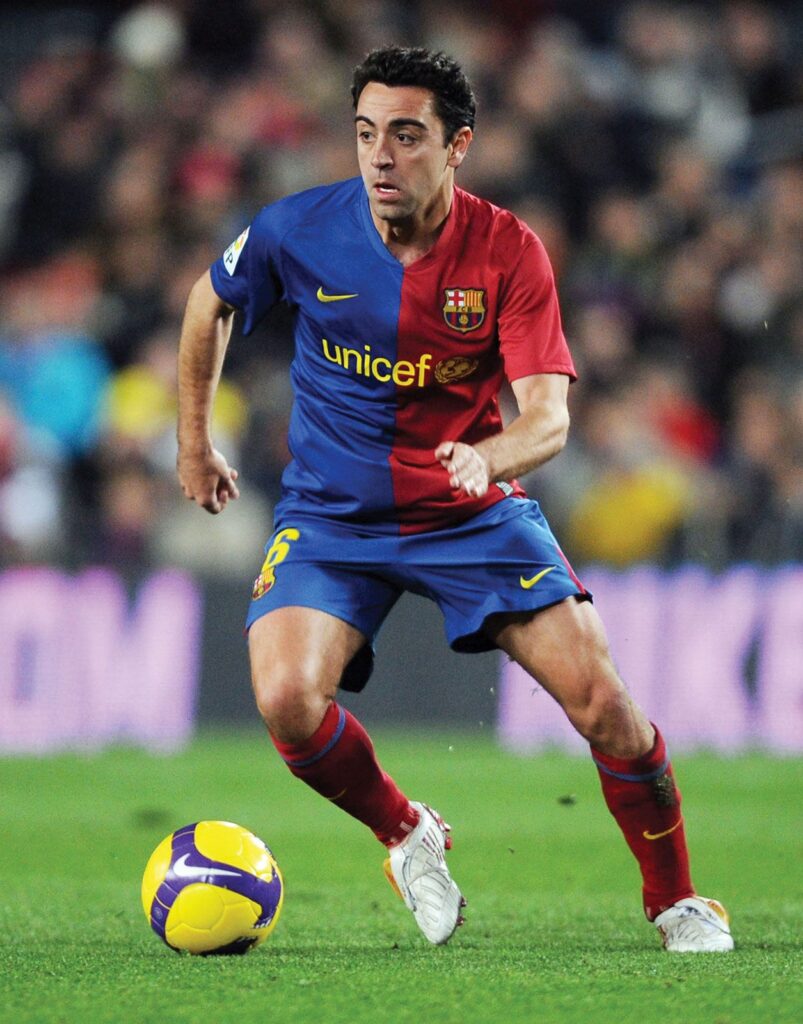
What made Xavi exceptional was not only his passing accuracy or vision but also his mastery of space, tempo, and control. He was the heartbeat of the tiki-taka style that mesmerized the world and redefined football at its highest level.
A Coach Who Understands the Modern Game
After retiring in 2019, Xavi took over as head coach of Al Sadd in Qatar. In less than two years, he won seven trophies and implemented a brand of football that reflected his deep tactical understanding. In 2021, he returned to Barcelona as manager during one of the club’s most challenging periods. Under his leadership, the team regained its structure, reintroduced promising youth players, and won the La Liga title in the 2022–23 season.
Xavi is not a figure of nostalgia; he is an active force in world football. As a coach, he combines technical sophistication with a clear long-term vision. His ability to build systems and develop talent would have been an invaluable asset to any national program.
What Indian Football Could Have Gained
The prospect of Xavi coaching India was about more than star power. It represented a chance to introduce elite-level structure, training methods, and international credibility to a national setup still finding its identity. His involvement could have inspired a shift in how Indian players are coached and developed, from the grassroots to the senior team.
Xavi’s appointment would have also drawn international media attention, increased sponsorship potential, and likely attracted greater investment in Indian football. Young players would have looked up to him not only as a global icon but also as someone directly invested in their growth.
Even if immediate results were not guaranteed, the long-term impact of his leadership could have transformed the culture and professionalism of the sport in India.
Why the AIFF Rejected the Proposal
According to reports, Xavi submitted his application via email without including direct contact details. Despite the initial excitement, the technical committee dismissed the possibility quickly. His expected salary, combined with the costs of his support staff and infrastructure needs, exceeded what the AIFF could afford.
An official involved in the review admitted that the federation could not even initiate a conversation due to these financial constraints. While disappointing, the decision reflects the structural and economic limitations that continue to shape Indian football’s decision-making.
A Rare Moment OverlookedWith Xavi out of the picture
the federation is moving forward with more practical candidates. Khalid Jamil brings strong domestic experience, Stephen Constantine has delivered results in previous stints, and Stefan Tarkovic offers European exposure. These are respectable choices within the current system, but none have the ability to reshape it entirely.
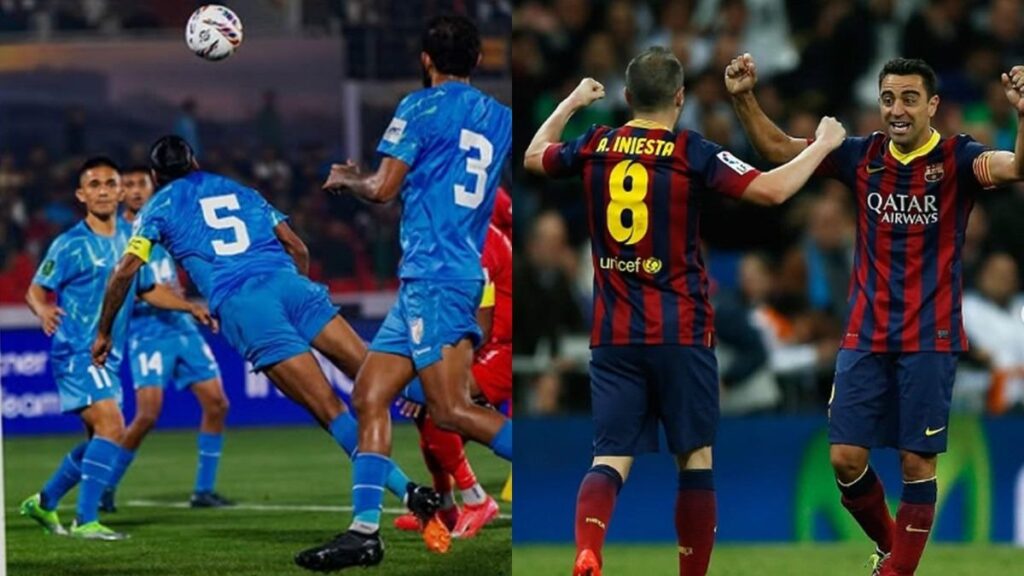
When a figure like Xavi expresses interest, it is more than just an application—it is a signal. Such a moment can bring attention, belief, and ambition to a sport. Ignoring it without exploring the possibilities may be remembered as a turning point that never materialized.
Indian football continues to grow, but growth requires vision. Xavi offered that in abundance. For now, the path forward returns to familiarity. But for a brief moment, the game offered something extraordinary—a chance to leap forward. And that leap was not taken.