

Report by- Swapnaleena Paul.Tehran: Iran is facing one of the most serious internal crises of recent years as nationwide protests, triggered by deepening economic distress and long-standing political grievances, have entered a violent and uncertain phase. What began weeks ago as demonstrations over inflation, unemployment and a rapidly weakening currency has evolved into widespread dissent challenging the country’s governing system, prompting an uncompromising response from state security forces and drawing urgent concern from the international community.
The unrest has spread across all 31 provinces, with protests reported in major urban centres including Tehran, Mashhad, Isfahan, Shiraz and Tabriz, as well as in smaller cities and towns. Demonstrators come from a broad cross-section of society, including students, workers, shopkeepers and unemployed youth, many of whom say they have been pushed to the brink by rising living costs and a lack of economic opportunity. Over time, protest slogans have shifted from demands for relief and reform to overt political criticism of the ruling establishment.
Iranian authorities have responded with a sweeping security crackdown. Police units, paramilitary forces and elite security agencies have been deployed to disperse crowds, enforce curfews in some areas and carry out mass arrests. Human rights groups and medical professionals report the use of live ammunition in several locations, a claim denied or downplayed by officials who insist security forces are acting to protect public order and national stability.
The last 24 hours have marked a particularly grim escalation. Hospitals in Tehran and other major cities have reported an influx of severely injured civilians, including a high number of gunshot wounds to the head and eyes. Medical staff, speaking anonymously due to fear of reprisal, describe emergency wards operating under extreme pressure as casualties continue to arrive. Human rights monitors say the pattern of injuries suggests the use of firearms at close range, raising serious questions about the proportionality of the state response.
At the same time, Iran’s judiciary has signalled that detainees arrested during the protests may face fast-track legal proceedings. Senior judicial officials have warned that those accused of threatening national security could receive severe punishments. Rights groups and legal observers fear that expedited trials could lead to long prison sentences or even executions, compounding an already volatile situation and intensifying international scrutiny.
The unrest has been further obscured by severe restrictions on communication. Authorities have imposed widespread internet slowdowns and, at times, near-total blackouts, making it difficult for protesters to organise and for journalists to independently verify events on the ground. While the government argues these measures are necessary to prevent unrest from spreading, critics say the shutdowns are designed to limit transparency and shield security operations from public scrutiny.
International reaction has been swift and increasingly vocal. The United Nations human rights office has expressed alarm over reports of hundreds of deaths and the use of lethal force against protesters. UN officials have urged Iranian authorities to respect the right to peaceful assembly and to ensure that any use of force complies with international law. Several Western governments have echoed those concerns, summoning Iranian diplomats and warning that those responsible for abuses could face accountability measures.
Tensions have also risen following statements from political figures abroad. In the past day, former United States president Donald Trump publicly voiced support for Iranian protesters and warned Tehran against carrying out executions. Iranian officials swiftly rejected those remarks, accusing foreign powers of attempting to exploit domestic unrest and interfere in the country’s internal affairs. State media have repeatedly framed the protests as being encouraged or manipulated by external enemies, a narrative that authorities say justifies firm action.
Within Iran, the government has sought to project control by organising pro-government rallies and broadcasting images of supporters denouncing the protests. Officials maintain that the state remains stable and that security forces are acting against what they describe as violent elements rather than peaceful demonstrators. Protesters and activists counter that the scale and geographic spread of the unrest reflect genuine popular anger that cannot be dismissed as foreign-instigated.
The economic backdrop to the crisis remains severe. Iran continues to grapple with high inflation, currency volatility and shortages of essential goods, problems exacerbated by years of sanctions and internal mismanagement. Many protesters say their participation is driven as much by economic despair as by political frustration, arguing that promises of reform have repeatedly failed to improve everyday life. Analysts note that this convergence of economic and political grievances has given the current movement unusual breadth and resilience.
The human toll of the unrest is mounting. In addition to those killed or injured, thousands have reportedly been detained, with families often left in the dark about the whereabouts of their relatives. Lawyers and rights advocates say access to detainees has been limited, raising concerns about due process and treatment in custody. The psychological impact is also evident, as fear and uncertainty ripple through communities affected by violence and arrests.
Despite the intensity of the crackdown, protests have continued, albeit intermittently and often in smaller, dispersed gatherings. Observers say the combination of internet restrictions, heavy security presence and legal threats has made sustained mass demonstrations more difficult, but not impossible. The persistence of unrest suggests that underlying grievances remain unresolved.
What happens next is uncertain. Some analysts believe the government may seek to restore calm through a mix of repression and limited concessions, while others warn that further violence could deepen public anger and prolong instability. The risk of miscalculation is high, particularly if executions or additional large-scale casualties occur, potentially triggering stronger international responses.
For now, Iran stands at a crossroads. The events of the past weeks, and especially the last 24 hours, have underscored the fragility of the social contract between the state and a significant portion of its population. Whether the crisis leads to lasting change, deeper repression or a temporary lull followed by renewed unrest will depend on decisions made in Tehran and the resilience of those who continue to take to the streets despite the risks.
As communication remains restricted and facts continue to emerge, one reality is clear: the turmoil gripping Iran is no longer a series of isolated protests but a nationwide confrontation with profound human, political and regional implications.
Iran Gripped by Escalating Unrest as Protests, Crackdowns and Global Alarm Intensify.

Byagnipatrikadesk
Jan 14, 2026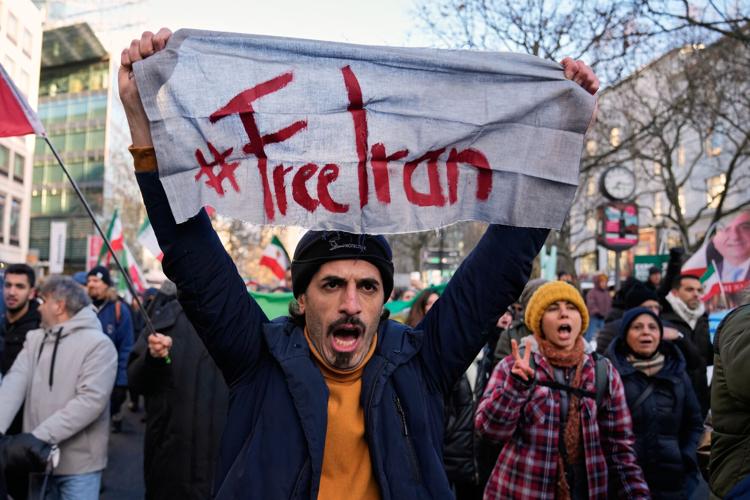 Demonstrators demand political and economic change as nationwide unrest enters a volatile new phase. The crisis has triggered a severe state crackdown and mounting international concern over human rights.