


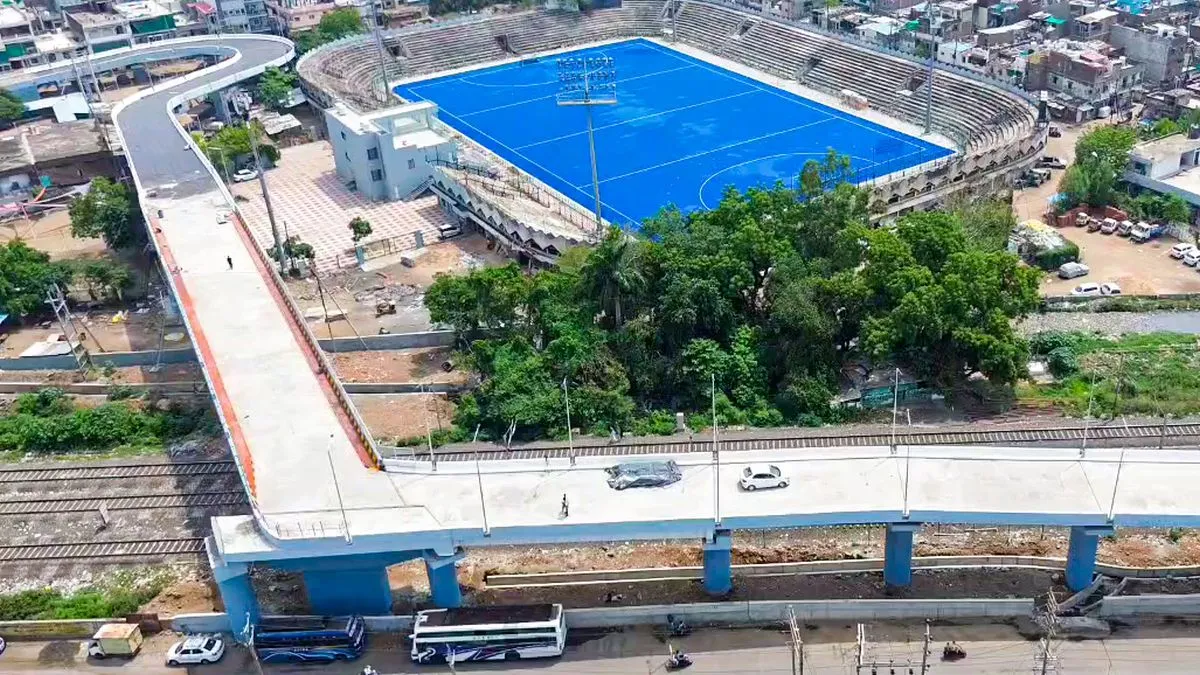
Ritika Chouhan: A newly built rail overbridge in Bhopal has left people shocked. The bridge near Aishbagh railway crossing has a sharp 90 degree turn that experts say is dangerous for drivers. Built at a cost of around 18 crore rupees this bridge was meant to ease traffic for nearly three lakh people every day.
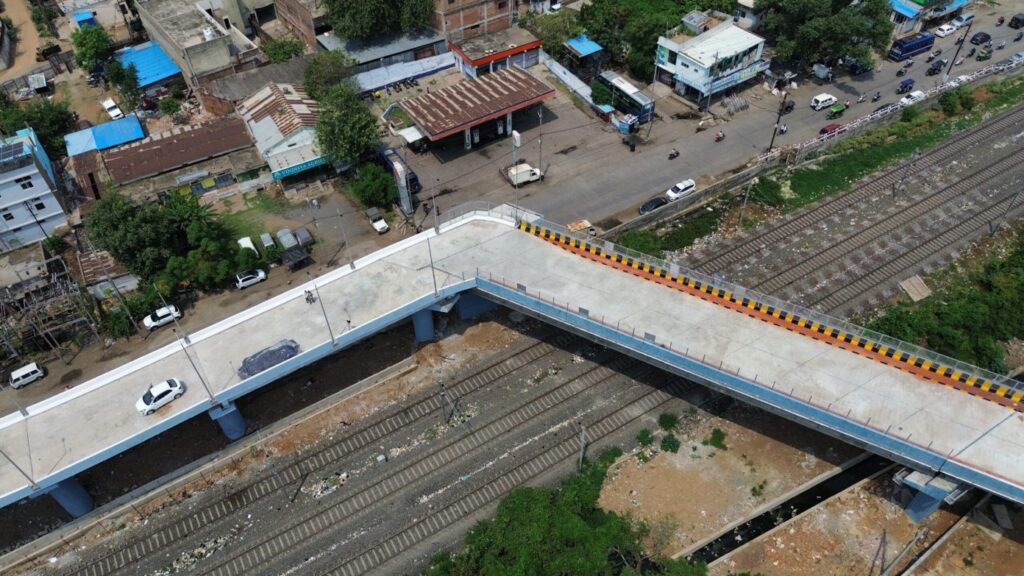
This bridge, which cost around ₹18 crore to build, was supposed to make life easier for nearly three lakh commuters. Instead, it has become a symbol of careless planning and decision-making. Why would anyone design a bridge with a sudden sharp turn that can scare even the most experienced drivers?
Some say the engineers didn’t have enough land to make a smoother curve. Others blame poor coordination between departments. But ask yourself this – is it okay to risk lives because of planning mistakes? Shouldn’t safety come before everything else?
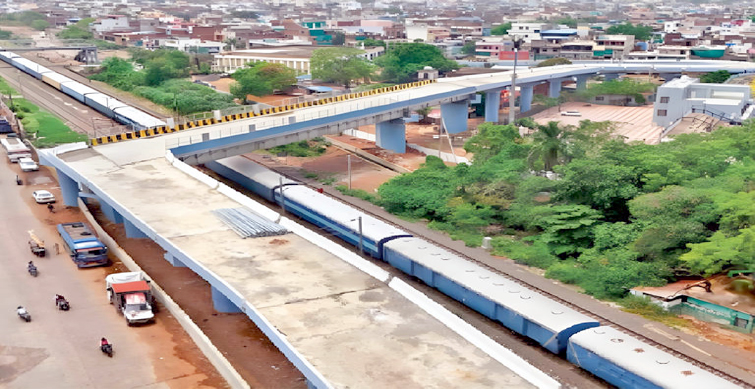
The Chief Minister suspended seven engineers and blacklisted the design consultant. It sounds like strict action. But will punishing a few fix the mindset that allowed such a design to pass? People are sharing memes and jokes, calling it “the bridge to heaven.” But behind the humour lies fear – what if a truck tips over? What if a biker loses control?
Bridges are meant to connect places and people, not create barriers of fear. This bridge teaches us something bigger about our cities. We often admire new roads, metro stations, and flyovers. But do we question how they are built? Who checks if they’re safe for everyone, not just cars but also cyclists, elderly people, and disabled commuters?
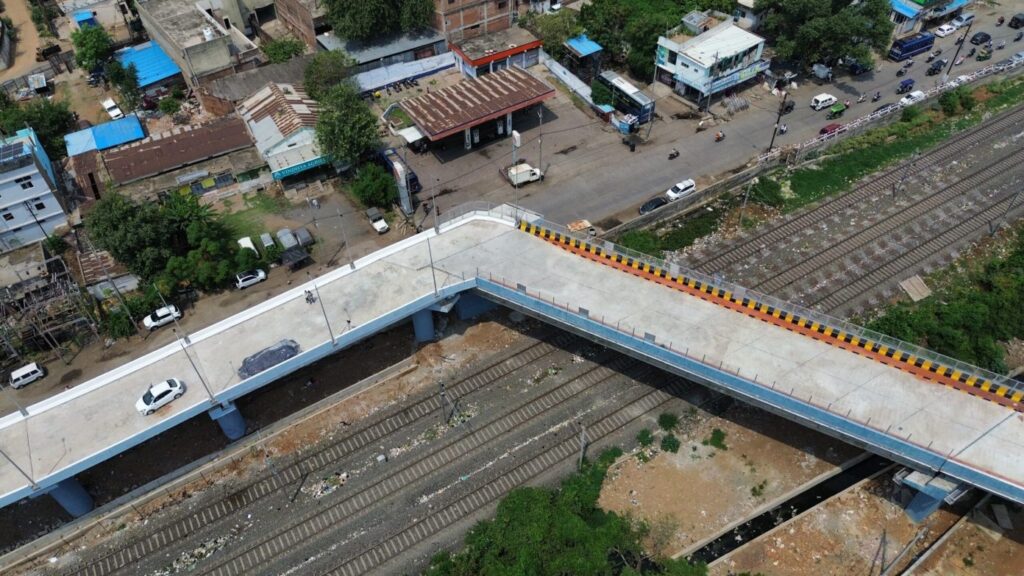
After public outrage, officials are now redesigning the bridge with a gentler curve using extra railway land. But why wait for public anger to act wisely? Why not include public safety checks before construction even starts?
As citizens, we cannot build bridges ourselves, but we can ask the right questions. Development isn’t about cement and steel alone; it is about thought, care, and human life. If this bridge becomes safer tomorrow, it shouldn’t be celebrated as an achievement but remembered as a lesson – that cutting corners in planning can cost lives, and sometimes, all it takes is a 90° turn to show us where we truly stand.