

Feature by: Swapnaleena Paul. The confirmation that Hans Zimmer and his music collective Bleeding Fingers Music will compose the score for HBO’s upcoming Harry Potter television series marks one of the most significant creative announcements surrounding the long awaited reboot. Music has always been inseparable from the identity of the wizarding world, and with the series scheduled to premiere in 2027, Zimmer’s involvement signals both ambition and caution: ambition in scale and caution in how a beloved legacy is reimagined rather than replicated.
A Different Kind of Adaptation
HBO’s Harry Potter series is designed as a long form retelling of the seven novels by J.K. Rowling, with each book adapted into its own season. The plan allows Sorcerer’s Stone, Chamber of Secrets, Prisoner of Azkaban, Goblet of Fire, Order of the Phoenix, Half Blood Prince, and Deathly Hallows the narrative space they never fully had in the films.
This structure fundamentally changes how music functions within the story. Instead of reinforcing emotion in a two hour film, the score must evolve across years of storytelling. Themes can be introduced quietly, revisited with variation, and transformed as characters mature and the stakes escalate. The appointment of Zimmer suggests HBO wants the music to function as part of the narrative architecture rather than ornamental accompaniment.
Why Zimmer Matters
Zimmer is one of the most influential composers in modern screen history, known for reshaping how audiences experience spectacle, tension, and emotional weight. His work often relies less on traditional melodic repetition and more on texture, rhythm, and gradual thematic evolution. That sensibility is particularly suited to prestige television, where subtle shifts can resonate over time.
The challenge, however, is unique. The Harry Potter films are indelibly associated with John Williams, whose themes became cultural shorthand for magic itself. Later composers expanded that musical language as the story darkened, but the core identity remained familiar.
According to official statements, Zimmer and Bleeding Fingers Music are creating a completely original score rather than reusing or rearranging existing themes. Addressing the weight of expectation, Zimmer has said the team is focused on “honoring what has come before while bringing a fresh emotional dimension to the story,” underscoring an intent to respect the musical past without being constrained by it.
The Bleeding Fingers Music Model
Bleeding Fingers Music is not a conventional scoring house. Co founded by Zimmer, the collective operates on collaboration, blending orchestral writing with electronic sound design and experimental textures. The group has extensive experience in episodic storytelling, where consistency and variation must coexist across long runtimes.
This approach suits the wizarding world, which shifts dramatically in tone across the seven books. Hogwarts begins as a place of wonder and safety, then gradually becomes a site of political conflict and personal loss. A collaborative scoring model allows for musical identities to be developed for institutions, locations, and themes without overwhelming the central narrative.
In practical terms, this means the music can evolve alongside the characters. Early seasons may emphasize curiosity and discovery, while later ones lean into tension, moral ambiguity, and grief. Television offers the time for those changes to feel earned rather than abrupt.
HBO’s Strategic Signal
For HBO, securing Zimmer is a statement of creative intent. This is not a low risk revival designed purely to extend a brand. It is positioned as a flagship series meant to stand alongside the network’s most prestigious dramas.
Music plays a critical role in that positioning. Iconic television series often rely on instantly recognizable scores that become part of their identity. HBO’s decision to invest heavily in the musical component suggests confidence in the project’s long term cultural relevance rather than short term attention.
Managing Expectations
The announcement has generated both excitement and caution among fans. Some viewers associate Harry Potter so strongly with its original musical themes that any departure feels risky. Others welcome the decision as necessary for the series to justify its existence alongside the films.
Factually, there is no indication that the new series will reference or reuse earlier film music. Zimmer has emphasized respect for the legacy without attempting to replicate it. That balance will be crucial. A score that feels overly familiar risks redundancy, while one that feels disconnected risks alienation.
A Soundtrack for a New Generation
The cultural context surrounding Harry Potter has changed significantly since the films concluded. Audiences today expect greater emotional depth, longer arcs, and more nuanced storytelling from serialized television. Music must reflect that shift.
Zimmer’s recent work suggests an emphasis on atmosphere and emotional continuity rather than overt spectacle. If applied carefully, this approach could allow the wizarding world to feel more intimate and psychologically grounded, especially as the series progresses into its darker chapters.
Visual cue for readers: Zimmer’s recent scores, such as Dune, favor immersive soundscapes, pulsing rhythms, and sustained tension, while Williams’ work on Star Wars and the original Harry Potter films leans on clear melodic themes and classical orchestration. The HBO series sits at the intersection of these philosophies, signaling a tonal evolution rather than a direct handover.
What Is Certain and What Is Not
What is confirmed is clear. Hans Zimmer and Bleeding Fingers Music are officially attached to compose an original score for HBO’s Harry Potter series, which is scheduled to debut in 2027 and adapt one book per season. What remains unknown is the precise musical language they will adopt and how audiences will respond once the series airs.
What is equally clear is that HBO is not approaching this reboot casually. By placing the sound of the wizarding world in Zimmer’s hands, the network is betting that reinvention, when handled with discipline and respect, can coexist with legacy.
A New Spell Takes Shape
Music has always been one of the quiet spells that made Harry Potter endure. It guided wonder, signaled danger, and helped generations emotionally inhabit the story. As the franchise prepares for its most comprehensive retelling yet, that responsibility has passed to a composer known for reshaping expectations.
If Zimmer and Bleeding Fingers succeed, the result will not be a replacement for what audiences remember, but an expansion of what the wizarding world can sound like. In doing so, the series may prove that some magic is not lost when it changes form, but strengthened by it.
Hans Zimmer to Score HBO’s ‘Harry Potter’ Series, Signaling a New Musical Era for the Wizarding World

Byagnipatrikadesk
Jan 16, 2026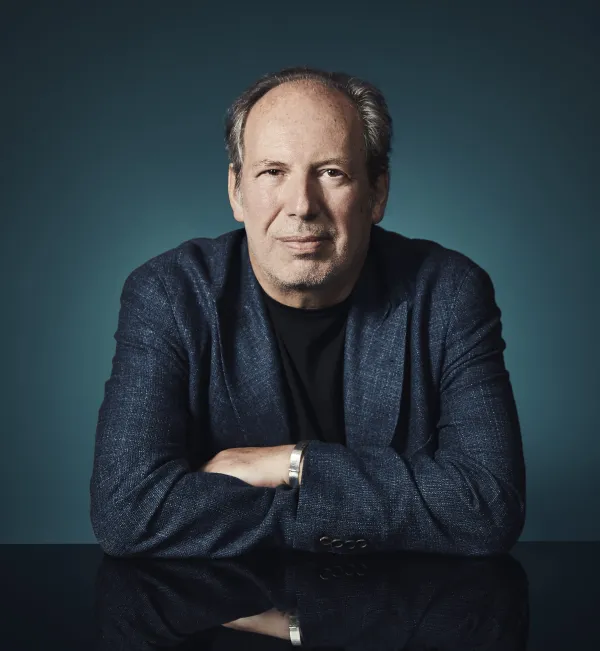 It’s official: Hans Zimmer and Bleeding Fingers Music are heading to Hogwarts. HBO’s long-awaited series has found its sonic identity in one of cinema’s most legendary composers.