


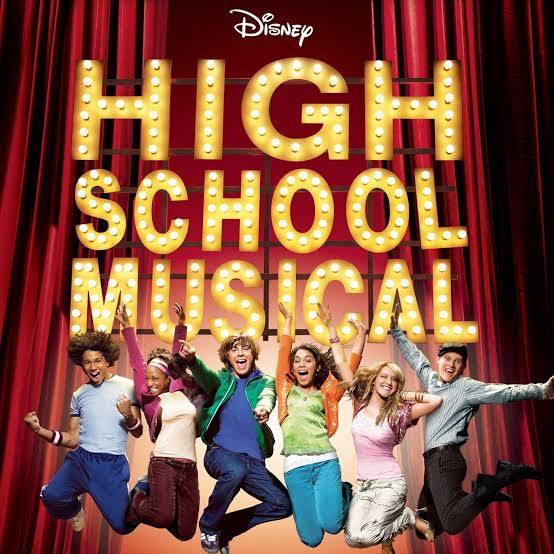
Feature by- Swapnaleena Paul: WhenHigh School Musical premiered on the Disney Channel in January 2006, it arrived quietly as a made-for-television film aimed at a young audience. Twenty years later, it stands as one of the most influential youth musicals of the 21st century, remembered for reshaping teen pop culture, launching global stars, and creating a legacy that crossed borders, languages, and cultures, including a strong and lasting presence in India.
A Different Time: Pop Culture in 2006
The mid-2000s were marked by a media environment very different from today. Streaming platforms were unheard of, smartphones had not yet become extensions of teenage identity, and social media had not begun to dictate taste or trends. Television remained central to youth culture. In India, cable television was expanding rapidly, and Disney Channel was finding its footing in urban households, particularly among English-medium school students.
Western pop culture was increasingly influential. International music played on FM radio, Hollywood films circulated widely on DVDs, and American television shows shaped fashion, slang, and aspiration. In this landscape,High School Musical arrived as a shared cultural moment. Families watched it together, school friends discussed it the next day, and songs became collective memory rather than personalised playlists.
The Storyline: Challenging Labels and Expectations
Set in the fictionalEast High School, High School Musical centres on rigid social divisions that dictate how students are expected to behave. Basketball players are meant to focus on sports, academic achievers on grades, and theatre students on performance. The film follows Troy Bolton, the popular basketball captain, andGabriella Montez, a new student known for her academic excellence, who discover a mutual passion for singing.
Their decision to audition for the school musical disrupts the established order and invites resistance from peers and authority figures alike. What makes the story resonate is its emotional honesty. The film argues that young people should not be confined to single identities and that exploring multiple interests is not a betrayal of talent but an expansion of it.
For Indian audiences, this theme struck a familiar chord. Many students grow up balancing academic pressure with creative ambitions, often forced to choose between the two. Songs like Breaking Free and Stick to the Status Quo articulated a conflict that felt deeply personal, even across cultural contexts.
The Cast That Became Global Youth Icons
The film’s success was powered by a cast that felt both aspirational and accessible. Zac Efron portrayed Troy Bolton with an ease that blended athletic confidence and emotional vulnerability, turning him into an instant teen icon. Vanessa Hudgens brought warmth and sincerity to Gabriella Montez, grounding the film’s emotional arc.
The supporting characters added dimension and energy. Ashley Tisdale’s Sharpay Evans emerged as one ofDisney’s most memorable characters, defined by ambition, flair, and unapologetic self-belief. Corbin Bleu and Lucas Grabeel balanced humour with musical precision, while Monique Coleman’s Taylor McKessie provided representation for academically driven students rarely placed at the centre of teen narratives.
The film was directed byKenny Ortega, whose choreography transformed ordinary school spaces into vibrant performance arenas. The dance routines were stylised yet approachable, encouraging imitation in school auditoriums and classrooms around the world.
From Television Film to Global Franchise
The unprecedented success of the first film turned High School Musical into a full-fledged franchise. High School Musical 2 followed the characters into their summer break, introducing themes of ambition, financial disparity, and the tension between personal success and collective harmony. It broke viewership records on theDisney Channel and confirmed the franchise’s cultural dominance.
The story concluded with High School Musical 3: Senior Year, which marked a significant transition from television to cinema. Focused on graduation and the uncertainty of life after school, the film resonated strongly with audiences who were themselves preparing to leave behind familiar structures and step into adulthood.
Awards, Records, and Cultural Recognition
AlthoughHigh School Musical was not positioned as a conventional awards contender, its achievements were substantial. It won aPrimetime Emmy Award for Outstanding Children’s Program, earned multiple Teen Choice Awards, and produced one of the best-selling soundtracks of 2006. The franchise also set several viewership records forDisney Channel.
In India, its success was measured less by trophies and more by cultural presence. Songs from the films became staples at school annual days, farewell functions, and talent competitions, reflecting how deeply the franchise had embedded itself in youth culture.
Where Are the Wildcats Now?
Two decades after the first film aired, the cast members have pursued diverse professional journeys. Zac Efron transitioned into mainstream Hollywood, taking on a range of roles across genres. Vanessa Hudgens built a multifaceted career spanning film, television, theatre, and live hosting. Ashley Tisdale expanded into producing and voice acting alongside her on-screen work.Corbin Bleu returned to his roots in dance and theatre, earning acclaim onBroadway. Lucas Grabeel focused on independent creative projects, while Monique Coleman became a youth advocate, author, and motivational speaker.
Despite their varied paths, High School Musical remains a defining chapter in each of their careers, frequently referenced in interviews and retrospectives.
Why High School Musical Still Resonates in India
Over the years, High School Musical has quietly deepened its connection with India far beyond television screens. Dance academies, theatre groups, and school cultural clubs across metros such as Mumbai, Delhi, Bengaluru, and Kolkata have hosted High School Musical–themed dance-along workshops, flash mobs, and musical showcases. Choreography from songs like We’re All in This Together and Breaking Free has become a familiar training staple for young dancers, often used to introduce students to group coordination, storytelling through movement, and Western musical theatre styles. Frequently promoted as nostalgia-driven yet Gen-Z friendly events, these workshops reflect how the franchise has evolved from a television movie into a participatory cultural experience in India, blending performance, fandom, and collective memory.
The film’s enduring popularity in the country lies in its emotional accessibility. It arrived at a moment when global pop culture felt communal and unfragmented, shaped by shared viewing rather than personalised feeds. For many Indian viewers, High School Musical represented their first sustained engagement with the musical genre in a contemporary, school-based setting. Today, as new audiences discover the film through streaming platforms, its optimism feels almost radical. It celebrates collaboration over competition and creativity over conformity, values that continue to resonate in an increasingly performance-driven world.
Twenty Years Later: Still Breaking Free
As High School Musical marks its twentieth anniversary, it stands as more than a nostalgic artefact of mid-2000s pop culture. What began as a modest television film has continued to evolve, finding renewed relevance through the streaming-era revival High School Musical: The Musical: The Series and the emergence of Olivia Rodrigo, whose music-led journey connected the franchise to a new generation of viewers. Yet, beneath changing formats and faces, the heart of the story has remained unchanged. Two decades on, its message still resonates with quiet clarity: young people need not choose between ambition and belonging, creativity is strongest when shared, and self-expression is not a solitary act. As its songs continue to echo through classrooms, corridors, and collective memory, High School Musical endures not just as a cultural milestone but as a reminder that breaking free was never about standing alone.