

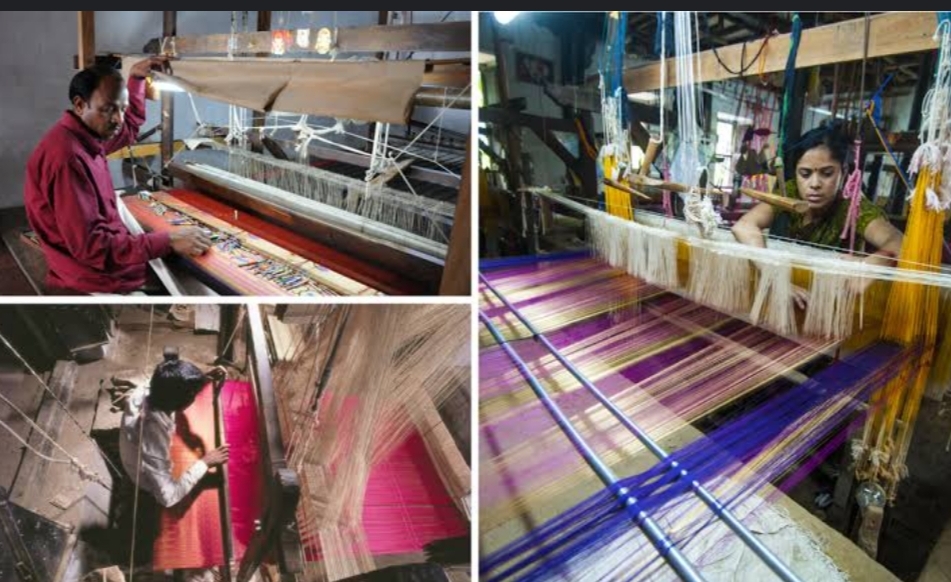
Over the past decade, India’s handloom sector has witnessed a quiet yet powerful revival — and surprisingly, the driving force behind it is Gen Z. Born into a digital-first era, these young consumers are embracing an age-old craft that their grandparents once wore daily, proving that tradition and trend can coexist beautifully.
A Shift in Fashion Choices
Fashion experts say Gen Z is moving away from mass-produced, fast-fashion clothing in favor of pieces with a story. Handloom fabrics, from airy khadi to rich ikat and jamdani, are unique, sustainable, and deeply connected to India’s heritage. Social media influencers, especially on Instagram and Pinterest, are showcasing handwoven sarees, stoles, and jackets in modern styling, making them appealing to young urban buyers.
Sustainability Meets Style
For a generation raised on climate consciousness, handloom ticks all the boxes. It’s eco-friendly, made without heavy industrial machinery, and often dyed with natural colors. “When I wear a handloom kurta, I know it hasn’t harmed the environment,” says 22-year-old Ria Malhotra, a student from Delhi University. “It feels like a personal style statement and a small act of activism.”
Empowering Local Communities
By choosing handloom, Gen Z isn’t just buying a piece of fabric — they’re supporting rural artisans. Many brands now collaborate directly with weaving clusters in states like West Bengal, Odisha, and Tamil Nadu, ensuring fair wages and preserving endangered weaving traditions. The Ministry of Textiles reports a steady rise in domestic demand for handloom products in the past three years.
The Role of E-commerce
E-commerce platforms like Etsy, Okhai, and GoCoop have bridged the gap between weavers and customers. Virtual exhibitions, live weaving sessions, and storytelling campaigns have made handloom more accessible than ever. The pandemic accelerated this shift as artisans turned to Instagram shops and WhatsApp sales to survive.
Beyond Ethnic Wear
Another reason for the boom is fusion fashion. Designers are blending handloom with contemporary cuts — think khadi jumpsuits, ikat sneakers, or jamdani bomber jackets. This versatility makes handloom relevant for casual wear, work attire, and festive dressing alike.
The Future is Woven
With rising global interest in sustainable fashion, Indian handloom has the potential to capture international markets. For Gen Z, wearing handloom isn’t just about nostalgia — it’s about shaping a future where fashion is kinder to the planet and respectful of culture.
As one young shopper put it, “Trends come and go, but stories stay forever. Handloom tells a story I want to be part of.”
Source: Ministry of Textiles reports, interviews with artisans, fashion industry trends