


Rishita Gangrade
The Story Behind the Movement
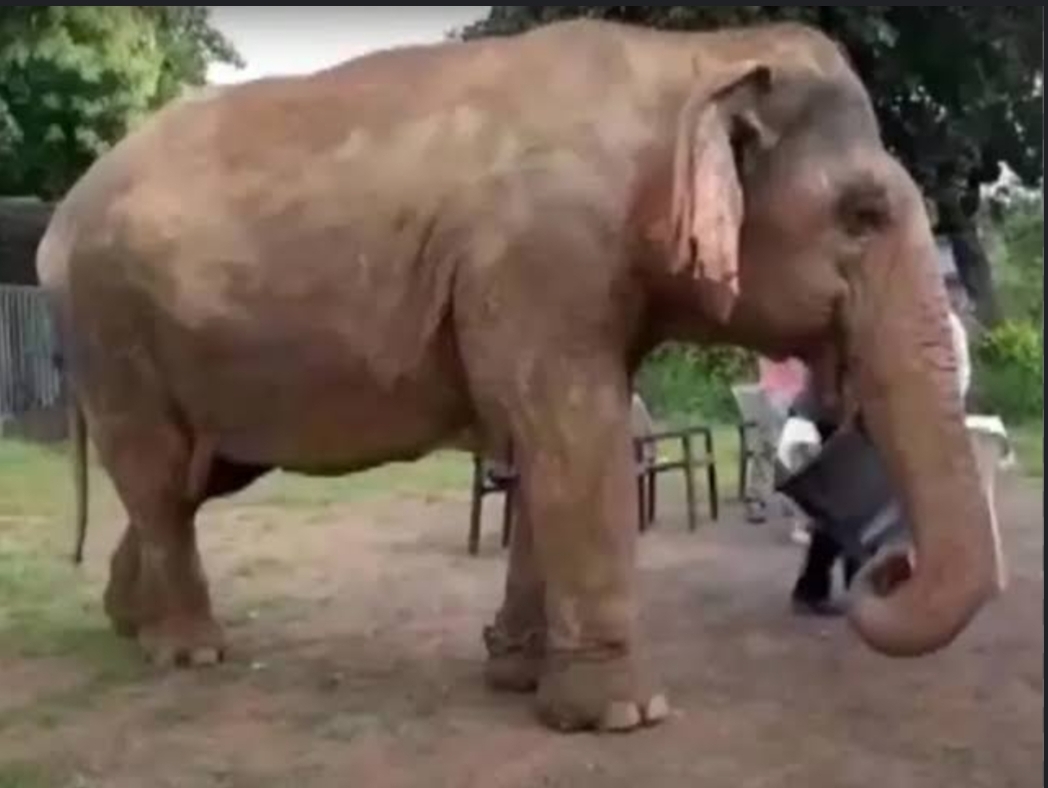
The hashtag #BringBackMadhuri refers not to Bollywood icon Madhuri Dixit, but to Madhuri, a female elephant previously housed at the Jain Math in Nandani, near Kolhapur. From the age of three, she lived on a concrete floor—conditions that reportedly led to chronic arthritis, foot rot, and overgrown nails.
Landmark Court Verdict
On 28 July 2025, India’s Supreme Court dismissed a petition by the Jain Math seeking to retain Madhuri, affirming that her welfare must come first. The Court upheld the Bombay High Court’s order for her transfer to a reputable sanctuary—Vantara’s Radhe Krishna Temple Elephant Welfare Trust in Jamnagar, Gujarat.
Public Sentiment & Campaign
News of Madhuri’s relocation struck a chord with Kolhapur locals and animal-lovers across India. Many citizens expressed grief through rallies, farewell processions, and letters urging Vantara to return Madhuri to her former home. This outpouring of public sentiment gave rise to the viral hashtag #BringBackMadhuri on platforms like Instagram and X (formerly Twitter).
Why the Movement Resonates
- Emotional linkage: Madhuri was deeply familiar to residents in Kolhapur for over two decades. Her departure stirred strong emotional responses.
- Welfare vs. tradition: The debate centered on whether emotional attachment should be prioritized over Madhuri’s physical and psychological health.
- Legal clarity: The clear stance of the Supreme Court added moral weight, reinforcing that her relocation was in her best interest.
The #BringBackMadhuri movement exemplifies a growing awareness around animal rights and sanctuary welfare in India. While court rulings affirm her relocation is necessary for her health, the emotional bond she shared with people in Kolhapur is undeniable. The hashtag has become a powerful symbol of empathy—and underlines a broader societal shift toward humane treatment of captive animals.
Source: Free Press Journal / The Elephant Welfare Issue