


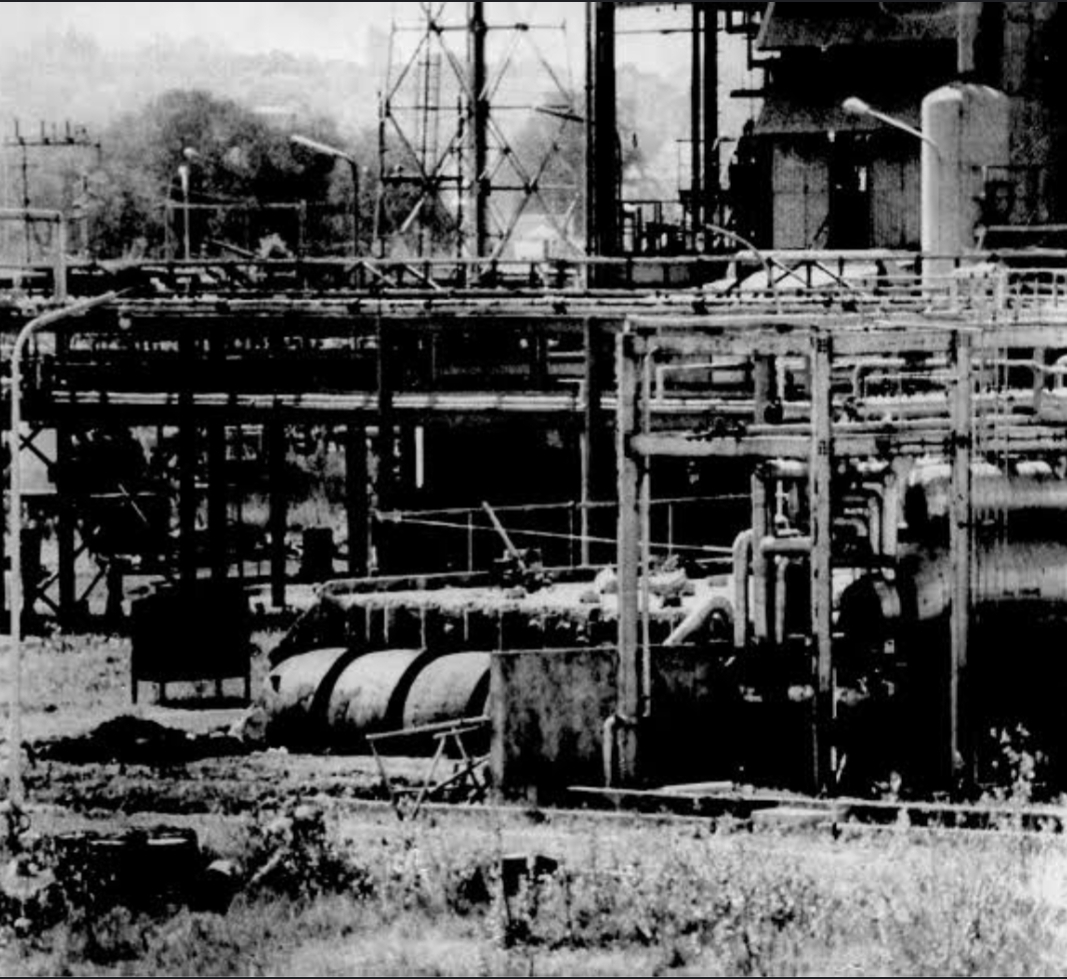
Rishita Gangrade: Nearly four decades after the world’s worst industrial disaster — the 1984 Bhopal Gas Tragedy — the Madhya Pradesh government has informed the High Court that 337 metric tonnes of toxic waste stored at the abandoned Union Carbide factory site has been successfully incinerated and shifted to a secured landfill facility in Pithampur.
The information came during a court hearing on Monday, where the state government presented an official status report on the long-pending hazardous waste disposal. Officials confirmed that the remaining chemical waste was safely transported and neutralized, and no emissions were found beyond prescribed environmental limits during the process.
The court, however, emphasized the need for independent verification and has ordered a detailed chemical analysis report to be submitted. The next hearing has been scheduled for July 31, 2025.
Background:
The toxic waste—left behind after the methyl isocyanate gas leak that killed thousands in December 1984—has remained a long-standing environmental and public health concern. Residents and activists have for years demanded a clean-up, citing leakage risks to groundwater and continuous exposure threats to nearby communities.
The disaster occurred on the night of December 2–3, 1984, during the tenure of then Chief Minister Arjun Singh. Singh’s handling of the immediate aftermath has been mired in controversy, especially:
- His alleged role in facilitating the escape of Union Carbide CEO Warren Anderson.
- The initial downplaying of the gas leak’s toxicity.
- Long-term failure to enforce cleanup orders or international compensation.
While Singh defended his actions as emergency governance, survivors and legal experts have continued to question the lack of transparency and accountability under his leadership.
What the Government Said:
- A total of 337 MT of waste was incinerated.
- The incineration took place at a facility in Pithampur, Dhar district, under strict environmental monitoring.
- Emissions during disposal were found to be within permissible limits.
- Additional verification is in progress, and a compliance audit is being prepared.
CM Mohan Yadav Reacts
Chief Minister Dr. Mohan Yadav praised the High Court’s intervention and stated:
“This is not just about disposal. It’s about closure. The people of Bhopal have waited 40 years for this step. Our government is committed to making sure such a tragedy is never repeated.”
He also announced a monitoring task force to oversee air and soil quality near the old factory site, and promised developmental funds for survivors’ colonies.
What the Court Said:
The Madhya Pradesh High Court acknowledged the progress but remained firm on the need for transparent data and public safety. The court instructed that lab-certified reports on residual toxicity and environmental impact be submitted in the next hearing.
“This is a step forward, but justice for Bhopal is incomplete until the site is fully decontaminated, and survivors receive full health support,” said activist Rachna Dhingra.
What’s Next?
- Final toxicology report due July 31.
- Follow-up on groundwater contamination risk.
- Ongoing health surveillance in nearby communities.