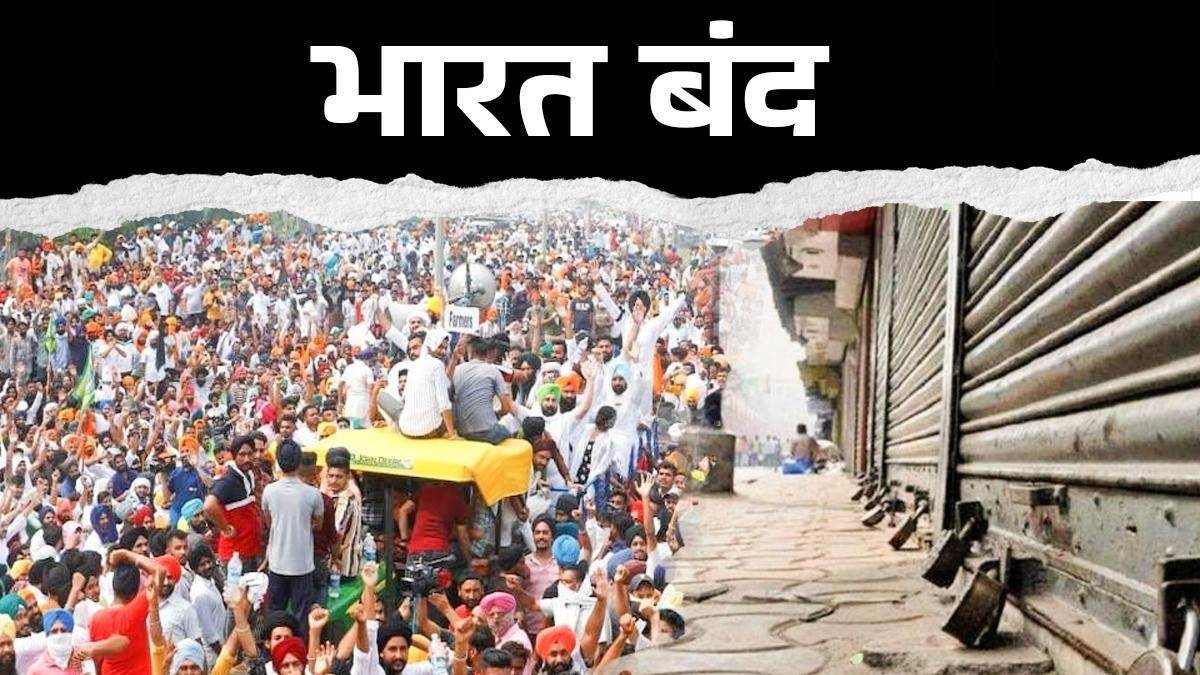


Priyanshi Raghuwanshi: A 24-hour standstill that echoed the voices of millions On July 9, 2025, India witnessed yet another nationwide protest — the Bharat Bandh, called by over 10 central trade unions, farmer bodies, and rural workers’ organizations. The strike began at 6:00 AM on 9 July and is set to continue until 6:00 AM on 10 July, marking a full day of collective resistance.
But was it just another bandh? Or is there something deeper that this movement is trying to say?
—
What Triggered the Bandh?
The bandh is not a sudden outburst — it is the result of long-building frustration among workers, farmers, and even students. The key issues that led to the protest include:
Rising inflation and unemployment
Discontent with labor law reforms and lack of wage security
Opposition to increasing privatization in government sectors
Demands for minimum support prices (MSP) for crops
Social welfare benefits and protection of worker rights
Across various states, banks remained shut, public transport was partially or fully halted, and many government offices and schools witnessed thin attendance. However, essential services like hospitals and ambulances remained operational.
—
A Movement of Many Voices
It’s important to understand that Bharat Bandh 2025 is not just a farmer’s or worker’s issue — it’s a people’s movement.
The participation of college students, trade professionals, and even some private sector employees shows a shift in civic consciousness. In many cities, peaceful rallies were held with slogans highlighting economic struggles, rising youth frustration, and a demand for dignity and justice.
What Should the Youth Learn from This?
In an age of social media activism and “scroll-and-forget” culture, this bandh reminds us that real change still needs real action.
Yes, trending hashtags create awareness, but showing up — online or offline — for causes that matter is what makes democracy meaningful.
A Wake-Up Call
Bharat Bandh 2025 may or may not bring instant policy changes — but it sparked a conversation.
It reminded the nation that people are watching, struggling, and speaking. The real question is: are we listening?