

Feature by: Swapnaleena Paul: When Fallout debuted on Prime Video, it achieved something many video-game adaptations fail to do. It won over critics, attracted new viewers unfamiliar with the games, and largely satisfied longtime fans by respecting the tone of Bethesda’s post-apocalyptic world. That goodwill, however, is now being tested in Season 2, where one familiar name has become the center of an unexpectedly intense debate: Mr. House.
Online discussions across Reddit, X, and fan forums show a fandom split. Some viewers praise the show’s darker, more forceful portrayal of Mr. House as compelling television. Others argue that the character has been fundamentally altered, losing the cold, almost mechanical calm that defined him in Fallout: New Vegas. At the heart of the debate is a familiar adaptation question. How much can you change a beloved character before they stop feeling authentic?
Who Mr. House Was in the Games
In Fallout: New Vegas, Robert Edwin House is not a conventional villain or hero. He is a calculating technocrat who rules New Vegas from the shadows, preserved through life-support systems and rarely seen in physical form. His power comes from distance. He speaks calmly, thinks in centuries, and treats morality as a cost-benefit equation. Players could ally with him, oppose him, or destroy his system entirely, but what made him memorable was his restraint.
Mr. House never needed to shout or threaten. His confidence came from control. He believed, with unsettling sincerity, that he alone could guide humanity toward a stable future. That icy self-assurance made him one of the most philosophically interesting characters in the Fallout universe.
The TV Version Feels Different
Season 2 of the Fallout TV series presents a Mr. House who is far more emotionally present and visibly menacing. Played by Justin Theroux, this version speaks with sharper edges. He shows anger. He exerts pressure directly rather than abstractly. In several scenes, his authority is enforced not just through systems and proxies but through intimidation.
For some viewers, this shift works. Television, unlike games, cannot rely on player choice or internal monologue to build tension. Characters must externalize their motivations. A more intense Mr. House gives the audience a clearer sense of danger and makes him feel like an active force rather than a distant idea.
Others disagree. They argue that by making Mr. House more expressive, the show undermines what made him unique. Instead of an unsettling symbol of rational authoritarianism, he risks becoming just another powerful man yelling orders in the wasteland.
Why the Show Likely Made This Choice
From a storytelling perspective, the change is understandable. Television demands momentum. A character who remains emotionally static can feel inert on screen, even if they are fascinating in theory. The show’s creators have hinted in interviews that Season 2 needed clearer antagonistic forces as the narrative scope expanded.
Mr. House also occupies a different role in the series than he does in the game. In New Vegas, players encounter him largely through dialogue and choice trees. In the show, he must coexist with characters like Lucy MacLean and Cooper Howard in a linear narrative. To sustain tension across episodes, his presence needs immediacy.
There is also the question of scale. The TV series is not recreating New Vegas beat for beat. It is using its characters to explore broader themes about power, survival, and control in a post-nuclear world. An intensified Mr. House fits more easily into that framework.
The Fan Reaction Online
The reaction has been passionate but not hostile. Many fans praising the portrayal argue that this is simply a different interpretation of the same core idea. They see Theroux’s Mr. House as a man whose centuries of control are beginning to crack under pressure. In that reading, the intensity is not a rewrite but an evolution.
Critics, however, see a line being crossed. They argue that Mr. House’s emotional distance was the point. He represented a future run entirely by logic, stripped of empathy. Turning him into a visibly angry figure, they say, makes him less frightening and more ordinary.
What is notable is that the debate is not about performance quality. Even critics of the portrayal often acknowledge that Theroux’s acting is strong. The disagreement is about interpretation, not execution.
Adaptation Versus Fidelity
This debate taps into a larger conversation about how Fallout should exist as a television series. Season 1 earned praise for capturing the franchise’s atmosphere without retelling any single game’s plot. Season 2, by engaging more directly with iconic figures like Mr. House, raises expectations around fidelity.
Some fans want the show to function as an extension of the games’ philosophy. Others are comfortable with it using familiar names to tell new stories. Mr. House has become the symbol of that tension because he is so closely associated with player agency in New Vegas. When the show fixes his personality into a single portrayal, it inevitably contradicts how some players experienced him.
Is This a Problem for the Show?
At the moment, the debate appears healthy rather than damaging. There is no backlash campaign, no review bombing, and no evidence that viewers are abandoning the series. If anything, the discussion suggests that audiences care deeply about the character and the world.
In the long run, the success of this portrayal will depend on where the story goes. If the show uses Mr. House’s intensity to explore the cost of absolute control, fans may come to see this version as a meaningful reinterpretation. If he remains simply domineering without philosophical depth, criticism is likely to grow louder.
What This Says About Fallout as a Franchise
Fallout has always been about competing visions of the future. Vault-Tec, the Brotherhood of Steel, the NCR, Caesar’s Legion, and Mr. House all believe they are right. The games never offer easy answers. By sparking debate over Mr. House’s portrayal, the TV series is arguably continuing that tradition.
The disagreement among fans mirrors the moral questions the franchise itself poses. Is order worth the loss of freedom? Is logic superior to compassion? Can humanity be saved by control, or only by choice?
A Character Still Worth Arguing Over
The fact that Mr. House has become one of the most talked-about elements of Season 2 is, in many ways, a success. It means the show has treated him as more than a reference or cameo. Whether viewers love or dislike this version, they are engaging with him as a serious character.
For a franchise built on debate, that may be the most faithful adaptation of all.
As Fallout Season 2 continues, the conversation around Mr. House is likely to evolve. And much like in the games, audiences will ultimately decide for themselves whether his vision deserves allegiance or resistance.
Fallout Season 2 Divides Fans Over Mr. House’s Darker, More Intense Portrayal

Byagnipatrikadesk
Jan 15, 2026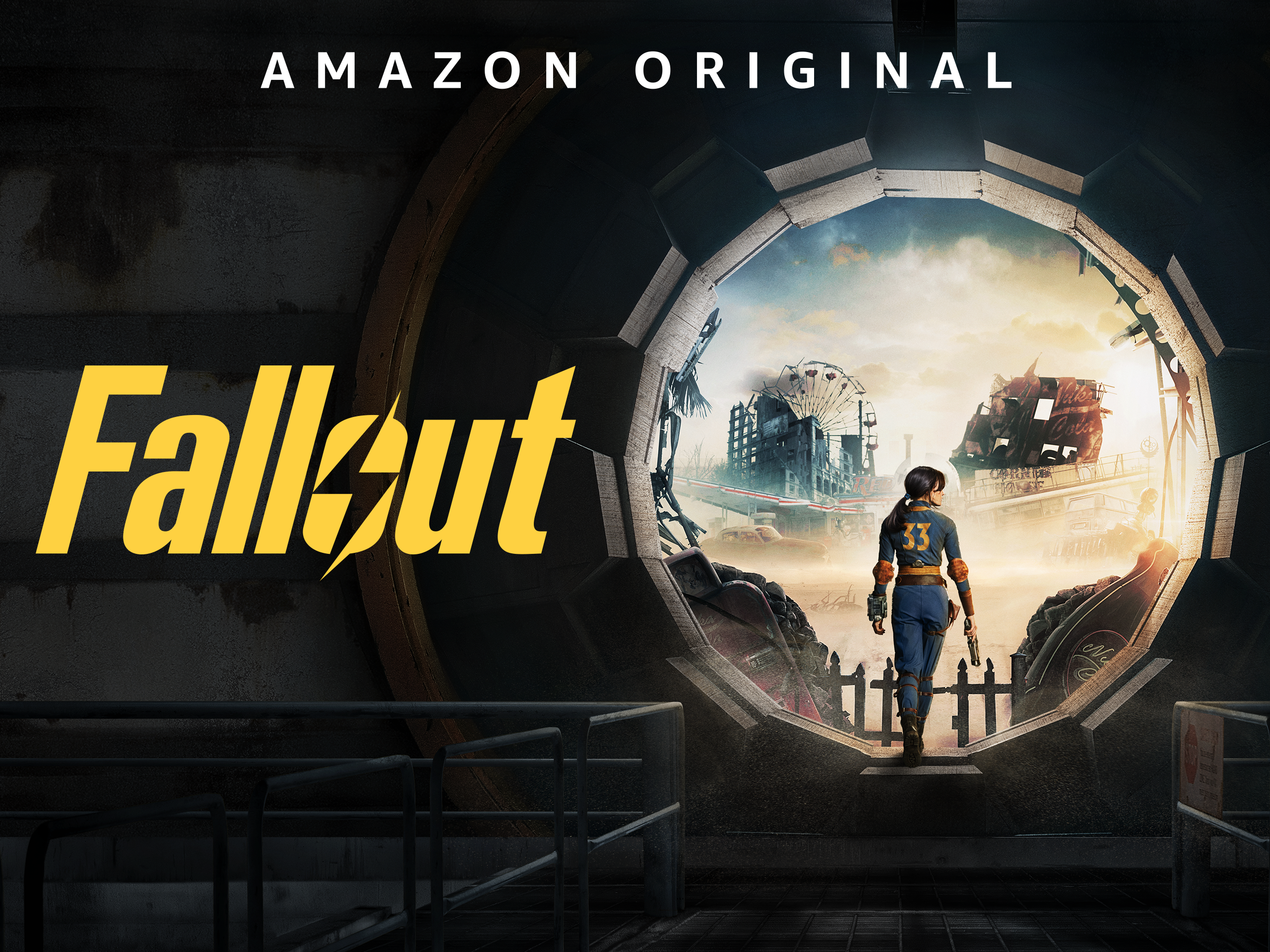 Prime Video’s Fallout Season 2 poster featuring Lucy MacLean. As the series moves into New Vegas, the portrayal of iconic characters like Mr. House has divided the fandom over narrative changes versus game fidelity.