


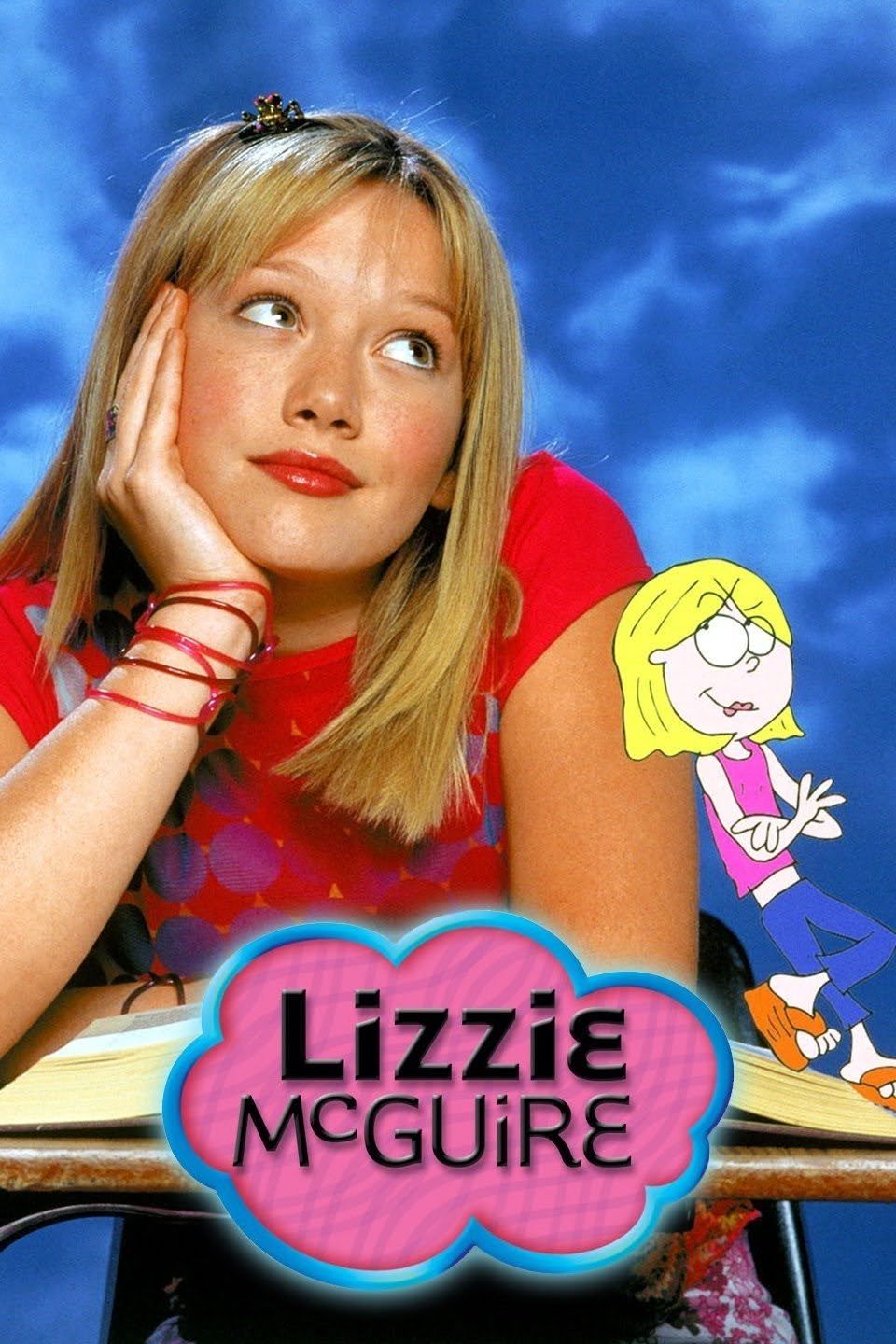
Swapnaleena Paul: When Lizzie McGuire first appeared on television screens on January 12, 2001, it arrived as a quietly revolutionary show for its time. Created by Terri Minsky for Disney Channel, the series centered on Elizabeth Lizzie McGuire, portrayed by Hilary Duff, a middle schooler navigating friendships, family, crushes, embarrassment, and self doubt. What set the show apart was its now iconic animated alter ego, a cartoon Lizzie who voiced the thoughts the real Lizzie could not say out loud. This simple creative choice gave young viewers something rare and validating, a visual representation of the inner voice that questions, panics, overthinks, and hopes. Running for two seasons and 65 episodes, the series quickly became one of Disney Channel’s defining early originals and a cultural touchstone for an entire generation growing up at the turn of the millennium.
From its earliest episodes, Lizzie McGuire treated adolescence with sincerity rather than spectacle. The conflicts were small in scale but enormous in feeling, losing a best friend, wanting to fit in, feeling embarrassed by parents, or navigating the fragile politics of school hallways. The ensemble cast brought warmth and credibility to these moments. Adam Lamberg played Gordo, Lizzie’s thoughtful and loyal best friend, while Lalaine portrayed Miranda, confident, outspoken, and fashion forward until her departure before the series concluded. Jake Thomas brought sharp humor and chaos as Lizzie’s younger brother Matt, and Hallie Todd and Robert Carradine grounded the show as her loving but frequently clueless parents. Together, they created a world that felt recognizably real, even when heightened for comedy.
Although the series concluded in 2002, its story did not end there. In 2003, Disney released The Lizzie McGuire Movie, which followed Lizzie and her classmates on a school trip to Rome after middle school graduation. Mistaken for a pop star, Lizzie is swept into an adventure that blends fantasy with self discovery, ultimately reinforcing the show’s central message about identity and confidence. The film functioned as both a narrative finale and a symbolic goodbye, offering fans closure while marking an important milestone as the first theatrical movie based on a Disney Channel television series. For many viewers, the film felt like a graduation alongside Lizzie herself.
The relatively short television run of Lizzie McGuire was shaped by Disney Channel’s internal programming practices at the time. In the early 2000s, the network followed an informal policy limiting original series to 65 episodes, a strategy meant to keep programming fresh and avoid aging casts. As a result, the show ended while it was still popular, a decision that frustrated fans but later contributed to its enduring charm. The series never overstayed its welcome, and its ending felt organic rather than forced. Over time, this brevity became part of its legacy, preserving Lizzie in a specific, tender moment of growing up.
As the years passed, Lizzie McGuire only grew in cultural significance, buoyed by reruns, streaming, and nostalgia. Attempts to revive the series surfaced repeatedly, culminating in the announcement of a continuation series for Disney Plus that would follow Lizzie as an adult navigating life in her thirties. Hilary Duff was set to return, and Terri Minsky was attached creatively, igniting widespread excitement among fans who had long hoped to grow up with Lizzie once more. However, creative differences over tone and platform ultimately stalled the project, and it was shelved in 2020. The collapse of the revival underscored how difficult it can be to revisit a story so closely tied to a specific emotional era.
From Middle School Hallways to Real Life Paths.
As the show itself aged into nostalgia, its cast members moved into distinct and varied lives beyond their Disney origins. Hilary Duff, forever associated with Lizzie yet never confined by the role, has continued to reinvent herself across music, television, and business. In 2026, she remains firmly in the public eye, balancing acting projects with a renewed focus on music, including touring material connected to her latest album Luck, while also navigating life as a mother and cultural touchstone for a generation that grew up alongside her. Adam Lamberg, who played the quietly steadfast Gordo, stepped away from acting altogether, building a career in arts administration in New York City, a trajectory that mirrors the thoughtful, introspective nature of his on screen character. Lalaine, remembered as Miranda, pursued music more deliberately after leaving the series, releasing independent work and continuing to act selectively, and in recent years has served as a narrator on Disney High, reconnecting her to the network that first made her known. Jake Thomas, who brought mischief and sharp wit to the role of Matt, transitioned behind the camera and is now an established professional photographer and director. Robert Carradine, who portrayed Lizzie’s well meaning father Sam, has remained a steady presence in film and television as a veteran character actor and has recently appeared at fan conventions, where audiences continue to celebrate the show’s lasting impact.
The enduring appeal of Lizzie McGuire lies not only in nostalgia but in its emotional intelligence. The animated Lizzie inside her head externalized feelings that many children struggled to articulate, anxiety, excitement, fear, jealousy, and hope. The show never mocked those emotions or rushed past them. Instead, it treated them as valid and worthy of attention. In doing so, it offered young viewers a quiet lesson in self awareness and empathy, one that continues to resonate decades later.
Fans still speak of the series with unusual affection, not just as entertainment but as a companion through formative years. The children who once watched Lizzie wrestle with school dances and friendships are now adults, many navigating careers, relationships, and parenthood. Their continued longing for a reunion or renewal reflects not just a desire to see familiar characters again, but a wish to reconnect with a time when growing up felt confusing but manageable, when mistakes were survivable and identity was something you could discover slowly.
In the end, Lizzie McGuire endures because it understood its audience. It never promised perfection, only honesty. It suggested that it was acceptable to be unsure, to change your mind, to feel awkward and still belong. Twenty five years later, Lizzie’s voice, both real and animated, continues to echo in the memories of those who grew up with her, a reminder that the messiness of becoming yourself was always part of the story.